Essential Oils for Stress: What the Research Shows
Posté par Appellation Editorial
The scent of lavender or bergamot can make the bathroom feel like a spa, but do essential oils reduce stress? The research offers some intriguing clues.
From a bath or massage to a diffuser at the end of a long day, aromatherapy is a familiar way to create a sense of calm.
Fragrant oils have featured in wellbeing rituals for thousands of years, with aromatic practices traced to ancient Egypt. Now researchers are putting aromatherapy to the test, exploring whether essential oils can ease stress and anxiety.
The picture isn't straightforward, though. Feeling calmer doesn’t necessarily mean a scent has changed the body’s stress response.
Here’s what the research shows – and what it doesn’t.
IN BRIEF
01 A 2015 trial involving 41 women reported lower cortisol and improvements in mood and fatigue after just 15 minutes of bergamot inhalation.
02 A 2002 Japanese study reported changes in sympathetic nervous system activity after participants inhaled rose and patchouli.
03 A 2019 meta-analysis of 37 randomised trials, involving 3,964 participants, reported lower anxiety after lavender inhalation.
How scent can affect mood
Our sense of smell is the only human sense directly hardwired to the limbic system – the area of the brain involved in emotion and memory. This explains why a scent can make us feel energised or calm, or bring vivid memories to mind.
Scent can make us feel energised or calm, or bring vivid memories to mind.
Aromatherapy uses essential oils to harness this sensory effect, usually through inhalation or topical application. Aromachology – the study of how fragrance influences mood and behaviour – also explores the relationship between scent and wellbeing.
But our responses to scent are deeply personal, making them difficult to predict. A fragrance that evokes a happy memory for one person may be unpleasant to another. Personal associations and preferences, along with the setting, all shape how a scent is experienced.
How do researchers measure stress?
When measuring stress, researchers track a range of markers or outcomes, including:
Self-reported feelings of stress and anxiety
Heart rate and blood pressure
Heart rate variability (HRV)
Salivary cortisol
Sleep quality and fatigue
These measures don’t always tell the same story: a scent may lift someone's mood without changing cortisol or heart rate, while a change in heart rate alone doesn't necessarily mean that someone feels less stressed.
Why the research doesn't always align
Another frustrating, yet all too common aspect of clinical trials, is that essential oils used in these studies may differ by plant species, chemical composition and extraction method. Dose, delivery route – such as inhalation or topical use – and even exposure time can vary, too.
The studies may involve different groups of people, from healthy adults to hospital patients, and use different controls and research designs. Some are observational; others are rigorous randomised trials. Together, these differences make the findings harder to interpret.
Even so, a promising pattern is emerging with several studies linking aromatherapy with lower anxiety and improved mood.
A promising pattern is emerging with several studies linking aromatherapy with lower anxiety and improved mood.
Which essential oils have been studied?
01
Lavender: the best-studied for relaxation
Lavender fields in bloom — the source of one of the best-studied essential oils for relaxation.
Lavender (Lavandula angustifolia) is one of the best-known essential oils for relaxation, and among the most extensively researched.
Another 2023 systematic review and network meta-analysis by Tan and colleagues, published in Frontiers in Public Health, analysed 44 randomised controlled trials involving 3,419 participants. It found that lavender – along with jasmine, bitter orange and rose – was associated with lower anxiety.
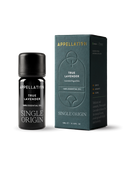
Taken together, these studies give lavender clinical clout as one of the best-studied essential oils for stress and anxiety. Discover Appellation’s True Lavender essential oil.
Lavender – along with jasmine, bitter orange and rose – is associated with lower anxiety.
02
Bergamot: bright notes and promising findings
With its fresh, green, and softly floral citrus profile, bergamot (Citrus bergamia) is prized in perfumery, and has drawn interest from researchers exploring its potential effect on mood and emotional wellbeing.
In a 2015 trial by Eri Watanabe and colleagues, published in Forschende Komplementärmedizin, 41 women inhaled bergamot oil for 15 minutes. The researchers reported lower salivary cortisol, alongside improvements in mood and fatigue.
Rosa damascena, hand-picked at peak bloom for its delicate, calming scent.
With a heavenly fragrance, rose has a storied history in aromatic preparations – including this testimony by 16th-century Chinese pharmacologist Li Shizhen:
“Essence of rose … drives away melancholy” – Li Shizhen, 1578
Today, researchers are taking a closer look at rose and its connection to mood and anxiety.
A 2025 systematic review and meta-analysis by Shuqi Xu, Xinhua Shen and colleagues at Huzhou Third Municipal Hospital in China reviewed 28 randomised trials. It found that aromatherapy with Rosa damascenawas associated with lower anxiety than control treatment, although results varied between trials.
A 2002 Japanese study by Haze and colleagues also examined the effects of rose on the autonomic nervous system. Its findings included changes in sympathetic nervous system activity – the branch involved in the body’s “fight or flight” response – after rose inhalation.
04
Patchouli: a grounding scent in a high-stress setting
Patchouli is another essential oil with a long history of use across many cultures and ancient practices, including Ayurveda.
The patchouli group reported lower stress and greater compassion satisfaction – the sense of fulfilment that can come from caring for others.
The 2002 Japanese study described above also reported changes in sympathetic nervous system activity after patchouli inhalation – lowering sympathetic nervous system activity by around 40%.
Patchouli’s warm, earthy scent may appeal to those looking to create a calming atmosphere at home, whether enjoyed in a diffuser or as part of a meditation practice. Explore our patchouli collection.
05
Frankincense: an intriguing side finding
Another scent with a compelling history, frankincense is cherished for its grounding effects.
Appellation's Omani frankincense essential oil, distilled from resin sourced in southern Oman.
Aromatherapy can be a simple, sensory addition to a daily wind-down routine – and inhalation is one of the easiest ways to enjoy it.
You might use a diffuser or oil burner in the evening, or take a few moments to enjoy a scent while breathing slowly.
Pairing a familiar aroma with yoga, meditation or another calming activity may help make that routine feel more relaxing.
Keep the practice simple: pause, breathe and notice how the scent affects you.
The future of aromatherapy research
Research into scent and wellbeing is still developing, with some promising findings.
More standardised clinical trials would help, though beyond the findings of a study, no one can deny the power of scent to shape mood, stir a memory, or transform the feel of a room – even when its value isn’t captured in clinical data.
Some studies suggest they can. In a 2015 trial, researchers found lower salivary cortisol – a marker associated with the body’s stress response – after 41 women inhaled bergamot. A 2002 Japanese study also reported changes in sympathetic nervous system activity after participants inhaled rose and patchouli. But essential oils may lift someone’s mood without changing cortisol or heart rate, so feeling calmer doesn’t necessarily mean the body’s stress response has changed.
Which essential oil is best for stress?
Lavender is one of the most extensively researched essential oils and has been shown to reduce anxiety. Bergamot, rose, patchouli and frankincense have also been studied and are associated with relaxation. Ultimately, scent is personal: an aroma might be deeply soothing and relaxing for one person yet energising to another.
Where can I buy essential oils in Dubai?
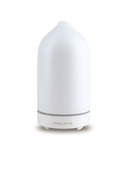
Appellation is a Dubai-based scent-wellness brand selling organic, wild-harvested or sustainably sourced essential oils like True Lavender, Omani Frankincense, Rose Geranium, Mandarine Rouge and Palo Santo, with delivery across the UAE and GCC. Browse single origin essential oils, essential oil blends and stone aromatherapy diffusers.
Which Appellation essential oils are good for calm?
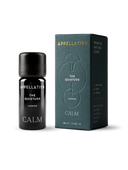
True Lavender is well known for its calming aroma. Omani Frankincense, Rose Geranium and Palo Santo also have calming properties. Alternatively, Appellation’s signature aromatherapy essential oil blends like The Calm Series are formulated in-house and made with essential oils associated with relaxation, such as bergamot, patchouli, ylang-ylang, sandalwood and lavender.
How do researchers measure stress in aromatherapy studies?
Researchers track a range of markers, including self-reported stress and anxiety, heart rate and blood pressure, heart rate variability, salivary cortisol, and sleep quality and fatigue. These measures don’t always tell the same story, so a scent may lift mood without changing cortisol or heart rate.
How can I use essential oils at home to unwind?
Inhalation is one of the easiest ways to enjoy aromatherapy. You might use a diffuser or oil burner in the evening, or pair a scent intentionally with yoga, meditation, breathwork, or another calming activity. Scent can help create a transition between the day and evening, and guide the body and mind towards a more restful state.
What is aromachology?
Aromachology is the study of how fragrance influences mood and behaviour. It explores the relationship between scent and wellbeing, and is closely related to aromatherapy, which uses essential oils to harness the same sensory effect.






Essential Oils for Stress: What the Research Shows
The scent of lavender or bergamot can make the bathroom feel like a spa, but do essential oils reduce stress? The research offers some intriguing clues.
From a bath or massage to a diffuser at the end of a long day, aromatherapy is a familiar way to create a sense of calm.
Fragrant oils have featured in wellbeing rituals for thousands of years, with aromatic practices traced to ancient Egypt. Now researchers are putting aromatherapy to the test, exploring whether essential oils can ease stress and anxiety.
Early findings are encouraging: A 2023, systematic review by Hedigan and colleagues, published in Complementary Therapies in Clinical Practice, found that aromatherapy reduced anxiety in 53 out of 76 trials. That's around 70%.
The picture isn't straightforward, though. Feeling calmer doesn’t necessarily mean a scent has changed the body’s stress response.
Here’s what the research shows – and what it doesn’t.
IN BRIEF
01 A 2015 trial involving 41 women reported lower cortisol and improvements in mood and fatigue after just 15 minutes of bergamot inhalation.
02 A 2002 Japanese study reported changes in sympathetic nervous system activity after participants inhaled rose and patchouli.
03 A 2019 meta-analysis of 37 randomised trials, involving 3,964 participants, reported lower anxiety after lavender inhalation.
How scent can affect mood
Our sense of smell is the only human sense directly hardwired to the limbic system – the area of the brain involved in emotion and memory. This explains why a scent can make us feel energised or calm, or bring vivid memories to mind.
Aromatherapy uses essential oils to harness this sensory effect, usually through inhalation or topical application. Aromachology – the study of how fragrance influences mood and behaviour – also explores the relationship between scent and wellbeing.
But our responses to scent are deeply personal, making them difficult to predict. A fragrance that evokes a happy memory for one person may be unpleasant to another. Personal associations and preferences, along with the setting, all shape how a scent is experienced.
How do researchers measure stress?
When measuring stress, researchers track a range of markers or outcomes, including:
These measures don’t always tell the same story: a scent may lift someone's mood without changing cortisol or heart rate, while a change in heart rate alone doesn't necessarily mean that someone feels less stressed.
Why the research doesn't always align
Another frustrating, yet all too common aspect of clinical trials, is that essential oils used in these studies may differ by plant species, chemical composition and extraction method. Dose, delivery route – such as inhalation or topical use – and even exposure time can vary, too.
The studies may involve different groups of people, from healthy adults to hospital patients, and use different controls and research designs. Some are observational; others are rigorous randomised trials. Together, these differences make the findings harder to interpret.
Even so, a promising pattern is emerging with several studies linking aromatherapy with lower anxiety and improved mood.
Which essential oils have been studied?
01
Lavender: the best-studied for relaxation
Lavender (Lavandula angustifolia) is one of the best-known essential oils for relaxation, and among the most extensively researched.
A 2019 meta-analysis led by Davide Donelli, published in Phytomedicine, reviewed 37 randomised trials and found that lavender inhalation was associated with lower anxiety scores. A 2023 systematic review published in Healthcare examined 11 trials; 10 also reported lower anxiety after inhalation.
Another 2023 systematic review and network meta-analysis by Tan and colleagues, published in Frontiers in Public Health, analysed 44 randomised controlled trials involving 3,419 participants. It found that lavender – along with jasmine, bitter orange and rose – was associated with lower anxiety.
Taken together, these studies give lavender clinical clout as one of the best-studied essential oils for stress and anxiety. Discover Appellation’s True Lavender essential oil.
02
Bergamot: bright notes and promising findings
With its fresh, green, and softly floral citrus profile, bergamot (Citrus bergamia) is prized in perfumery, and has drawn interest from researchers exploring its potential effect on mood and emotional wellbeing.
In a 2015 trial by Eri Watanabe and colleagues, published in Forschende Komplementärmedizin, 41 women inhaled bergamot oil for 15 minutes. The researchers reported lower salivary cortisol, alongside improvements in mood and fatigue.
A 2023 scoping review by Sattayakhom and colleagues, published in Molecules, brought together around 70 studies on essential oils and the nervous system. It discussed findings related to bergamot, including lower salivary cortisol and reduced depressive mood among postpartum women.
Most recently, a 2025 randomised controlled trial involving 100 adults receiving substance-use treatment found that inhaling bergamot three times a day for a week was associated with lower anxiety and depression scores.
Explore our bergamot collection.
03
Rose: a long history and emerging evidence
With a heavenly fragrance, rose has a storied history in aromatic preparations – including this testimony by 16th-century Chinese pharmacologist Li Shizhen:
Today, researchers are taking a closer look at rose and its connection to mood and anxiety.
A 2025 systematic review and meta-analysis by Shuqi Xu, Xinhua Shen and colleagues at Huzhou Third Municipal Hospital in China reviewed 28 randomised trials. It found that aromatherapy with Rosa damascena was associated with lower anxiety than control treatment, although results varied between trials.
A 2002 Japanese study by Haze and colleagues also examined the effects of rose on the autonomic nervous system. Its findings included changes in sympathetic nervous system activity – the branch involved in the body’s “fight or flight” response – after rose inhalation.
04
Patchouli: a grounding scent in a high-stress setting
Patchouli is another essential oil with a long history of use across many cultures and ancient practices, including Ayurveda.
A 2020 randomised controlled trial in The Journal of Alternative and Complementary Medicine tested patchouli on 50 emergency nurses at a university hospital in Incheon, South Korea. After their shift, the nurses inhaled either patchouli oil in sweet almond oil or sweet almond oil alone.
The patchouli group reported lower stress and greater compassion satisfaction – the sense of fulfilment that can come from caring for others.
The 2002 Japanese study described above also reported changes in sympathetic nervous system activity after patchouli inhalation – lowering sympathetic nervous system activity by around 40%.
Patchouli’s warm, earthy scent may appeal to those looking to create a calming atmosphere at home, whether enjoyed in a diffuser or as part of a meditation practice. Explore our patchouli collection.
05
Frankincense: an intriguing side finding
Another scent with a compelling history, frankincense is cherished for its grounding effects.
A 2025 study of 100 male university students, published in Natural and Life Sciences Communications, found that, after 10 minutes in a room scented with frankincense, participants scored higher on short-term memory tests than the control group.
Systolic blood pressure also fell, and participants reported feeling more refreshed, relaxed and calm.
In another study, published in Complementary Medicine Journal of Faculty of Nursing & Midwifery, women in labour who were exposed to diluted frankincense (in the form of a gauze with Boswellia carterii and saline solution attached to their collar) had lower anxiety scores than a placebo group.
Together, these findings make frankincense an intriguing subject for further research.
Explore our Omani frankincense collection.
How to use essential oils at home
Aromatherapy can be a simple, sensory addition to a daily wind-down routine – and inhalation is one of the easiest ways to enjoy it.
You might use a diffuser or oil burner in the evening, or take a few moments to enjoy a scent while breathing slowly.
Pairing a familiar aroma with yoga, meditation or another calming activity may help make that routine feel more relaxing.
Keep the practice simple: pause, breathe and notice how the scent affects you.
The future of aromatherapy research
Research into scent and wellbeing is still developing, with some promising findings.
More standardised clinical trials would help, though beyond the findings of a study, no one can deny the power of scent to shape mood, stir a memory, or transform the feel of a room – even when its value isn’t captured in clinical data.
Shop single origin oils Shop stone diffusers
Frequently asked questions
Do essential oils reduce stress?
Some studies suggest they can. In a 2015 trial, researchers found lower salivary cortisol – a marker associated with the body’s stress response – after 41 women inhaled bergamot. A 2002 Japanese study also reported changes in sympathetic nervous system activity after participants inhaled rose and patchouli. But essential oils may lift someone’s mood without changing cortisol or heart rate, so feeling calmer doesn’t necessarily mean the body’s stress response has changed.
Which essential oil is best for stress?
Lavender is one of the most extensively researched essential oils and has been shown to reduce anxiety. Bergamot, rose, patchouli and frankincense have also been studied and are associated with relaxation. Ultimately, scent is personal: an aroma might be deeply soothing and relaxing for one person yet energising to another.
Where can I buy essential oils in Dubai?
Appellation is a Dubai-based scent-wellness brand selling organic, wild-harvested or sustainably sourced essential oils like True Lavender, Omani Frankincense, Rose Geranium, Mandarine Rouge and Palo Santo, with delivery across the UAE and GCC. Browse single origin essential oils, essential oil blends and stone aromatherapy diffusers.
Which Appellation essential oils are good for calm?
True Lavender is well known for its calming aroma. Omani Frankincense, Rose Geranium and Palo Santo also have calming properties. Alternatively, Appellation’s signature aromatherapy essential oil blends like The Calm Series are formulated in-house and made with essential oils associated with relaxation, such as bergamot, patchouli, ylang-ylang, sandalwood and lavender.
How do researchers measure stress in aromatherapy studies?
Researchers track a range of markers, including self-reported stress and anxiety, heart rate and blood pressure, heart rate variability, salivary cortisol, and sleep quality and fatigue. These measures don’t always tell the same story, so a scent may lift mood without changing cortisol or heart rate.
How can I use essential oils at home to unwind?
Inhalation is one of the easiest ways to enjoy aromatherapy. You might use a diffuser or oil burner in the evening, or pair a scent intentionally with yoga, meditation, breathwork, or another calming activity. Scent can help create a transition between the day and evening, and guide the body and mind towards a more restful state.
What is aromachology?
Aromachology is the study of how fragrance influences mood and behaviour. It explores the relationship between scent and wellbeing, and is closely related to aromatherapy, which uses essential oils to harness the same sensory effect.