7 Science-Backed Rituals to Calm Your Nervous System – Instantly
Posté par Appellation Editorial
Stress often arrives uninvited – in the form of tight shoulders, shallow breath, or a sense of urgency that seems to swell beneath the surface.
In these moments, your nervous system isn't seeking logic. It's looking for signals of safety.
Rather than trying to think your way into calm, the most effective approach is to work with the body's design – using breath, sound, scent, and touch to gently downshift the stress response.
The following fast stress relief rituals are supported by decades of research in neuroscience, respiratory physiology, and psychoneuroendocrinology (an interdisciplinary field that encompasses psychology, neuroscience, and endocrinology). They aren't hacks – they're grounded, physiology-based tools to help you return to balance.
01
Left-nostril breathing
Ancient practice, modern validation
Yogic traditions have long taught that the left nostril connects to cooling, calming energy – and modern studies agree. Electroencephalogram (EEG) scans on the brain have shown breathing through the left nostril activates parasympathetic tone, slowing the heart and calming both body and mind. To practise, simply close the right nostril, inhale through the left, then exhale through both. Repeat slowly for a few minutes.
Left-nostril breathing – ancient practice, modern validation.
02
Soften your gaze
Expand your visual field to shift your state
When you're stressed, your eyes naturally narrow – part of the brain's ancient survival pattern. Environmental psychologist Stephen Kaplan, in his landmark research at the University of Michigan, found that switching from tunnel vision to panoramic view is a subtle, but powerful way to shift the nervous system out of hypervigilance. Even looking up from a screen and allowing your gaze to rest on something farther away can signal the brain that you are no longer in danger.
03
The physiological sigh
A double inhale, followed by a long exhale
This simple breathing pattern – two quick inhales through the nose, then a slow sigh out through the mouth – has been shown to lower carbon dioxide levels, regulate heart rate, and ease the body out of stress. According to Dr. Andrew Huberman, a neuroscientist at Stanford School of Medicine, it's one of the fastest known ways to reduce stress.
Try it: inhale through the nose, then take a second, deeper inhale on top of that. Exhale slowly through the mouth until your lungs feel empty. Let your shoulders drop.
04
Cold water, ancient reflex
A splash of cold to reset
In moments of stress or overstimulation, splashing icy cold water on the face can be enough to shift your system out of overdrive. The "dive response" is a well-documented physiological reflex triggered by cold exposure on the face, particularly around the eyes and forehead. Studies led by Dr. Michael Tipton at the University of Portsmouth have shown that even brief contact with cold water activates this reflex – slowing the heart rate and redirecting blood to vital organs.
Cold water on the face triggers the mammalian dive reflex, slowing the heart rate.
05
Humming and the vagus nerve
Vibration that soothes the nervous system
The vagus nerve is the body's primary parasympathetic highway – and it's highly responsive to vibration. Studies have shown humming, chanting, singing (even gargling) can activate the nerve, sending calming signals to the heart, lungs, and gut, restoring emotional balance – not just spiritually, but physiologically.
06
Inhale a calming scent
Fragrance that soothes – in a heartbeat
Smell is unlike any other sense – it bypasses the analytical centres of the brain and travels directly to the limbic system, where emotions, memory, and stress responses are processed. This is why scent can shift how we feel so quickly.
50–200ms
Time the brain takes to begin processing an inhaled odour
A hand on the heart – a gesture that calms the stress response.
When you place a hand on your heart, your neck, or your belly, you activate pressure and warmth receptors that send calming signals to the brain. This form of self-soothing touch has been shown in clinical studies to reduce cortisol – the primary stress hormone. More than data, it's a gesture of presence. Touch activates pressure receptors that communicate safety to the brain. It's a nonverbal way of saying: You're safe. You're here. Breathe.
Regulation begins with your senses
In fast-paced cities like Dubai, where long workdays, traffic and constant stimulation can keep the body in fight-or-flight mode, learning how to regulate your nervous system naturally is one of the most powerful wellbeing practices you can cultivate. Which of these will become your ritual the next time stress surfaces?
Huberman, A. (2021). Using the Scientific Mechanisms of Breathing to Control Stress & Anxiety. Huberman Lab Podcast, Episode 10. Stanford University School of Medicine. hubermanlab.com
Zaccaro, A., Piarulli, A., Laurino, M., Garbella, E., Menicucci, D., Neri, B., & Gemignani, A. (2018). How Breath-Control Can Change Your Life: A Systematic Review on Psychophysiological Correlates of Slow Breathing. Frontiers in Human Neuroscience, 12, 353. doi.org/10.3389/fnhum.2018.00353
Porges, S. W. (2011). The Polyvagal Theory: Neurophysiological Foundations of Emotions, Attachment, Communication, and Self-Regulation. Norton.
Tipton, M. J., & Golden, F. S. C. (2011). The Physiology of the Dive Response in Humans. Physiology, 26(3), 162–168. doi.org/10.1152/physiol.00024.2011
Kaplan, S. (1995). The Restorative Benefits of Nature: Toward an Integrative Framework. Journal of Environmental Psychology, 15(3), 169–182. doi.org/10.1016/0272-4944(95)90001-2
Niazi, I. K., et al. (2021). EEG Signatures Change During Unilateral Yogic Nasal Breathing. Scientific Reports, 11, 24909. doi.org/10.1038/s41598-021-04461-8
Koulivand, P. H., Ghadiri, M. K., & Gorji, A. (2013). Lavender and the Nervous System. Evidence-Based Complementary and Alternative Medicine, 2013, 681304. doi.org/10.1155/2013/681304
Dreisoerner, A., et al. (2021). Self-Soothing Touch and Being Hugged Reduce Cortisol Responses to Stress: A Randomized Controlled Trial. Comprehensive Psychoneuroendocrinology, 8, 100091. doi.org/10.1016/j.cpnec.2021.100091
Sattayakhom, A., Wichit, S., & Koomhin, P. (2023). The Effects of Essential Oils on the Nervous System: A Scoping Review. Molecules, 28(8), 3674. doi.org/10.3390/molecules28083674
Iravani, B., Schaefer, M., Wilson, D. A., Arshamian, A., & Lundström, J. N. (2021). The human olfactory bulb processes odor valence representation and cues motor avoidance behavior. Proceedings of the National Academy of Sciences, 118(42), e2101209118. pnas.org
The fastest ways to calm your nervous system at home include the physiological sigh (two short inhales and a long exhale), splashing cold water on the face, humming to stimulate the vagus nerve, or inhaling a calming essential oil such as lavender or frankincense. These techniques work by activating the parasympathetic nervous system – the body’s built-in calming response.
What are signs my nervous system is dysregulated?
Common signs include shallow breathing, racing thoughts, muscle tension, digestive discomfort, poor sleep, irritability, and heightened sensitivity to sound or scent. Chronic stress can keep the body in a low-level fight-or-flight state. Sensory grounding practices can help restore balance.
What scent is best for calming the nervous system?
Lavender (Lavandula angustifolia) is the most studied essential oil for stress reduction. Frankincense has been shown to slow breathing and encourage deeper respiration. Bergamot may help regulate cortisol levels.
Natural incense made from sandalwood or agarwood can also promote relaxation.
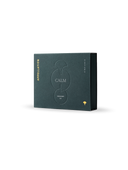
For an easy place to start, explore Appellation’s Calm series – a collection of three essential oil blends created to cultivate a sense of calm.
Can essential oils really reduce cortisol?
A growing body of clinical and peer-reviewed research suggests that inhalation of certain essential oils may reduce cortisol, lower heart rate, and improve mood. You can explore the evidence in more detail in our research articles on inhalation aromatherapy for stress and anxiety and the effects of essential oils on the nervous system. While essential oils are not a conventional medical treatment, they can support nervous system regulation when used as part of daily practices such as breathing exercises or evening wind-down routines.
How can I regulate my nervous system naturally without medication?
Natural regulation methods include breathwork, cold exposure, humming, safe touch, nature exposure, scent therapy, and consistent sleep routines. These approaches work by activating the vagus nerve and increasing parasympathetic tone. Discover more ways to enhance your wellbeing naturally in this helpful article.
Is nervous system regulation important in hot climates like the UAE?
Yes. High temperatures, dehydration, artificial cooling, and busy urban environments can increase physiological stress load. Simple sensory practices – including breathwork and calming scent – can help the body adapt more smoothly.
Where can I buy natural essential oils for stress in Dubai?
Look for brands that prioritise pure botanical ingredients, transparent sourcing, and no synthetic fragrance. Appellation offers a curated collection of natural essential oils and incense available across Dubai and the UAE. Read our helpful in-depth guide on how to choose the right essential oils and where to buy essential oils.






7 Science-Backed Rituals to Calm Your Nervous System – Instantly
Stress often arrives uninvited – in the form of tight shoulders, shallow breath, or a sense of urgency that seems to swell beneath the surface.
Rather than trying to think your way into calm, the most effective approach is to work with the body's design – using breath, sound, scent, and touch to gently downshift the stress response.
The following fast stress relief rituals are supported by decades of research in neuroscience, respiratory physiology, and psychoneuroendocrinology (an interdisciplinary field that encompasses psychology, neuroscience, and endocrinology). They aren't hacks – they're grounded, physiology-based tools to help you return to balance.
Left-nostril breathing
Ancient practice, modern validation
Yogic traditions have long taught that the left nostril connects to cooling, calming energy – and modern studies agree. Electroencephalogram (EEG) scans on the brain have shown breathing through the left nostril activates parasympathetic tone, slowing the heart and calming both body and mind. To practise, simply close the right nostril, inhale through the left, then exhale through both. Repeat slowly for a few minutes.
Soften your gaze
Expand your visual field to shift your state
When you're stressed, your eyes naturally narrow – part of the brain's ancient survival pattern. Environmental psychologist Stephen Kaplan, in his landmark research at the University of Michigan, found that switching from tunnel vision to panoramic view is a subtle, but powerful way to shift the nervous system out of hypervigilance. Even looking up from a screen and allowing your gaze to rest on something farther away can signal the brain that you are no longer in danger.
The physiological sigh
A double inhale, followed by a long exhale
This simple breathing pattern – two quick inhales through the nose, then a slow sigh out through the mouth – has been shown to lower carbon dioxide levels, regulate heart rate, and ease the body out of stress. According to Dr. Andrew Huberman, a neuroscientist at Stanford School of Medicine, it's one of the fastest known ways to reduce stress.
Try it: inhale through the nose, then take a second, deeper inhale on top of that. Exhale slowly through the mouth until your lungs feel empty. Let your shoulders drop.
Cold water, ancient reflex
A splash of cold to reset
In moments of stress or overstimulation, splashing icy cold water on the face can be enough to shift your system out of overdrive. The "dive response" is a well-documented physiological reflex triggered by cold exposure on the face, particularly around the eyes and forehead. Studies led by Dr. Michael Tipton at the University of Portsmouth have shown that even brief contact with cold water activates this reflex – slowing the heart rate and redirecting blood to vital organs.
Humming and the vagus nerve
Vibration that soothes the nervous system
The vagus nerve is the body's primary parasympathetic highway – and it's highly responsive to vibration. Studies have shown humming, chanting, singing (even gargling) can activate the nerve, sending calming signals to the heart, lungs, and gut, restoring emotional balance – not just spiritually, but physiologically.
Inhale a calming scent
Fragrance that soothes – in a heartbeat
Smell is unlike any other sense – it bypasses the analytical centres of the brain and travels directly to the limbic system, where emotions, memory, and stress responses are processed. This is why scent can shift how we feel so quickly.
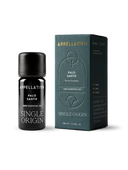
Essential oils such as patchouli, bergamot, or frankincense have been studied for their effects on the nervous system, with evidence suggesting they may help to lower cortisol, reduce blood pressure, support sleep and promote a calmer mood. In one clinical study, lavender was shown to reduce heart rate and ease anxiety within three minutes. Discover Appellation's lavender essential oil, collection of wellbeing scents and Japanese incense designed especially for calm and stress support.
A hand on the heart
A gesture that calms the stress response
When you place a hand on your heart, your neck, or your belly, you activate pressure and warmth receptors that send calming signals to the brain. This form of self-soothing touch has been shown in clinical studies to reduce cortisol – the primary stress hormone. More than data, it's a gesture of presence. Touch activates pressure receptors that communicate safety to the brain. It's a nonverbal way of saying: You're safe. You're here. Breathe.
Regulation begins with your senses
In fast-paced cities like Dubai, where long workdays, traffic and constant stimulation can keep the body in fight-or-flight mode, learning how to regulate your nervous system naturally is one of the most powerful wellbeing practices you can cultivate. Which of these will become your ritual the next time stress surfaces?
References
Huberman, A. (2021). Using the Scientific Mechanisms of Breathing to Control Stress & Anxiety. Huberman Lab Podcast, Episode 10. Stanford University School of Medicine. hubermanlab.com
Zaccaro, A., Piarulli, A., Laurino, M., Garbella, E., Menicucci, D., Neri, B., & Gemignani, A. (2018). How Breath-Control Can Change Your Life: A Systematic Review on Psychophysiological Correlates of Slow Breathing. Frontiers in Human Neuroscience, 12, 353. doi.org/10.3389/fnhum.2018.00353
Porges, S. W. (2011). The Polyvagal Theory: Neurophysiological Foundations of Emotions, Attachment, Communication, and Self-Regulation. Norton.
Tipton, M. J., & Golden, F. S. C. (2011). The Physiology of the Dive Response in Humans. Physiology, 26(3), 162–168. doi.org/10.1152/physiol.00024.2011
Kaplan, S. (1995). The Restorative Benefits of Nature: Toward an Integrative Framework. Journal of Environmental Psychology, 15(3), 169–182. doi.org/10.1016/0272-4944(95)90001-2
Niazi, I. K., et al. (2021). EEG Signatures Change During Unilateral Yogic Nasal Breathing. Scientific Reports, 11, 24909. doi.org/10.1038/s41598-021-04461-8
Koulivand, P. H., Ghadiri, M. K., & Gorji, A. (2013). Lavender and the Nervous System. Evidence-Based Complementary and Alternative Medicine, 2013, 681304. doi.org/10.1155/2013/681304
Dreisoerner, A., et al. (2021). Self-Soothing Touch and Being Hugged Reduce Cortisol Responses to Stress: A Randomized Controlled Trial. Comprehensive Psychoneuroendocrinology, 8, 100091. doi.org/10.1016/j.cpnec.2021.100091
Sattayakhom, A., Wichit, S., & Koomhin, P. (2023). The Effects of Essential Oils on the Nervous System: A Scoping Review. Molecules, 28(8), 3674. doi.org/10.3390/molecules28083674
Iravani, B., Schaefer, M., Wilson, D. A., Arshamian, A., & Lundström, J. N. (2021). The human olfactory bulb processes odor valence representation and cues motor avoidance behavior. Proceedings of the National Academy of Sciences, 118(42), e2101209118. pnas.org