If you’re new to essential oils, the buying process can be pretty intimidating. The industry has grown into a multibillion-dollar marketplace with multi-level marketing companies, health-food stores, pharmacies, and even spas and nail salons all claiming to sell the purest and most authentic essential oil.
With so much deceptive marketing and conflicting advice, it can be challenging to distinguish a quality oil from a cheap imitation, but knowing what to look for can make all the difference. If you’re wondering how to buy essential oils with confidence, the key is understanding what signals purity, transparency and integrity – and what signals marketing.
Here’s how to navigate the minefield.
Essential Oils vs Fragrance Oils: Understand the Difference
Essential oils are volatile aromatic compounds extracted from trees, shrubs, herbs, fruits, flowers and even grasses by a number of means, such as distillation or cold-pressing.
These highly concentrated liquids are powerful essences that contain the beneficial chemical compounds of the plant they are extracted from. When learning how to buy essential oils for aromatherapy, this distinction is critical.
A fragrance oil, on the other hand, might contain some essential oil, though it’s likely to be a minimal amount padded out with a carrier oil and a host of isolated fragrance chemicals that mimic the real deal. What’s most concerning is that very few companies will disclose the difference.
If you’re hoping to achieve a specific effect with an essential oil – such as calming anxiety or respiratory issues – a fragrance oil will achieve very little.
A fragrance oil might look like essential oil and smell amazing but these products are not suited for aromatherapy. Fragrance oils are designed for scent – not therapeutic effect.
They simply don’t have the potency or optimum beneficial compounds of a true essential oil.
 How to Evaluate an Essential Oil Company
Just like with any important purchase, it’s important to evaluate the company you’re buying from.The unfortunate reality is that many essential oils are often adulterated – diluted or altered with fillers or extenders – cheaper, synthetic “nature identical” ingredients designed to maximise profit. This can often be conducted by third-party vendors, so be extra cautious of oils sold on internet marketplaces such as Amazon or eBay.
It’s always best to seek out well-known, reputable companies – preferably those with a naturopath, certified aromatherapist or herbalist at the helm. The company should demonstrate obvious passion for their products and provide detailed information about each of their oils and their chemistry in an educational and transparent manner. They will be happy to share their expertise and guide you in the right direction so you can understand which oil suits your needs, and also offer safety advice.
Many will also provide lab reports, either freely available on the product page or provided on request. Known as Gas Chromatography Mass Spectrometry (GC/MS) reports, these go into detail of the specific chemistry and compounds in each oil, and should be conducted on every batch to ensure quality, safety and effectiveness. If a company cannot provide batch-specific GC/MS reports upon request, that should raise concerns. Transparency is one of the clearest indicators of quality essential oils.
How to Read Essential Oil Labels
High-quality essential oils will always list both the common name and the Latin name of the plant species they’re derived from (e.g. Lavender and Lavandula angustifolia). Many will also detail the part of the plant used, such as the leaf or the flower. Learning how to read essential oil labels is one of the simplest ways to avoid buying diluted or misidentified oils.
It’s important that this information is on the bottle because of the sheer number of possibilities. For example, lavender essential oil could be extracted from any one of 45 species of lavender. The oil could be distilled from Lavandula angustifolia or Lavandula latifolia – two very different oils with very different benefits. Chamomile could be German Chamomile (Matricaria recutita) or Roman Chamomile (Chamaemelum nobile) – two plants with very different chemistries, aromas, therapeutic benefits and even colours. Without the Latin name, it’s difficult to know exactly what you’re purchasing. If an oil doesn’t list the genus and the species, it’s hard to know exactly what you’re buying.
Reputable essential oil companies will also always include the country of origin.
It’s important to know where the oil comes from because climate and soil can have a tremendous impact on the quality and therapeutic components of the oil.
Why The Bottle Matters
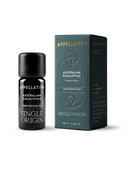
Light and heat can damage essential oils so a quality supplier will sell their essential oils in a dark glass bottle. Look for either amber coloured glass or violet glass, which protects the integrity of the oil, shielding it from light.
Exposure to light can speed up the oxidation process, reducing an oil’s shelf life and even causing skin irritation. Be extremely wary of any supplier that sells oils in clear glass bottles, or worse, in plastic. Plastic can degrade when in contact with concentrated essential oils, potentially contaminating the oil itself.
What the Price of Essential Oils Tells You
Everyone is looking for a bargain but when it comes to essential oils, the cheapest option isn’t always best. When learning how to buy essential oils, price should always be considered in context. Suspiciously inexpensive oils point to potential adulteration, questionable harvesting, growing and distillation methods, and even a lack of sustainability and ethics.
While it’s true that many oils – citruses, for example – are relatively inexpensive, you should tread carefully if all the oils from your chosen supplier are priced similarly.
The fact is, most essential oils are incredibly costly and labor-intensive to produce. Some flowers only bloom one month a year, and are too delicate to withstand steam distillation. The quantity of plant material required is also nothing short of staggering. Consider jasmine, which requires between seven to eight million blossoms to produce just one kilo of essential oil.
Check the prices carefully. Generally speaking, precious florals like jasmine, neroli and rose, woods like agarwood and sandalwood, and even oleoresins like frankincense and myrrh, are costly to produce and are therefore priced highly. Citruses like lemon and sweet orange are among the least expensive oils. So if your vendor is selling neroli or rose at a rock-bottom price, consider it a red flag.
Should I Buy “Therapeutic Grade” Essential Oils?
There are many companies that use the term to peddle the purity and quality of their oils for therapeutic purposes, however it’s worth being aware that there is no global recognised “grading” system or standard applied to essential oil quality.
Put simply, “therapeutic grade”, “pharmaceutical grade” or even “food grade” is marketing terminology. There is no globally recognised governing body that regulates or certifies “therapeutic grade” essential oils. Any company can use these terms without having to meet any specific standards of quality.
Should I Buy Organic Essential Oils?
It’s hard to deny the benefits of organic. Organic agricultural practices are helping our planet and eradicating harmful chemicals from our food and personal care products.
Ultimately, whether to buy organic or not is a personal choice but there are a few important points that will help you make an informed decision.
The first is that pesticides are considered “thermally fragile”. They don’t do very well in heat, and most are eradicated through the process of steam distillation.
However, citrus essential oils, like lemon, grapefruit, bergamot and sweet orange, are almost always cold-pressed. Cold-pressing uses a method of compression to squeeze out the oil. There is no heat applied in this process, which means residual pesticides on the fruit rind can survive and end up in the oil, often at amounts that exceed safety levels. This is concerning, particularly if you plan on diffusing the citrus oil or applying it to your skin.It is for this reason that Appellation chooses to use organic citrus in our 100% essential oil blends, including The Night Journey.
For cold-pressed citrus oils, choosing organic can offer greater peace of mind.
You can opt for organic oils for peace of mind, though bear in mind that biocide (pesticides and herbicides) levels in most conventional essential oils are typically insignificant and rarely exceed maximum acceptable levels (MRLs) applied to food or medicinal products. In Essential Oil Safety – considered the industry bible – widely respected aromatherapist Robert Tisserand and Rodney Young PhD state that “the potential toxicity from biocides in essential oils is minimal”.
If you'd prefer to play it safe, that's understandable, however “certified organic” might not always be necessary. There is an abundance of pesticide-free essential oil being produced all around the world.
Many farmers, particularly those in developing countries, don’t use fertilisers, herbicides or pesticides but they simply cannot afford the high costs and paperwork associated with organic certification.
Similarly, you can look for “wild-grown” or “wild-harvested” essential oils. A eucalyptus or frankincense tree that grows in the wild, for example, has grown exactly as nature intended, nourished by rain and sunshine, and free from synthetic fertilisers and pesticides used in controlled farming. Though the harvest taken from this tree cannot be“certified organic”, there's very little difference.
It’s worth highlighting here that just because an essential oil does carry the “certified organic” seal, it doesn’t necessarily mean it’s entirely free from biocides. Trace amounts of pesticides have been discovered even in certified organic essential oils, most likely a result of organic crops being unintentionally contaminated by nearby farms.
The final point is that organic certification doesn’t magically make an essential oil superior. It may be widely believed, but this is a misconception. An oil’s quality and integrity is a result of so much more. The terroir, the harvesting and distillation process, the aroma and the presence of specific chemical constituents all play a role in its “pedigree”.
It’s a lot to digest (or distill!), but in the end, a little awareness goes a long way when learning how to buy essential oils wisely. We hope you’ve found this helpful – and if you need any additional advice, please feel free to get in touch.
IMAGE: A Study of Rose by Vicki Lee






The Appellation Guide To Buying The Best Quality Essential Oils
If you’re new to essential oils, the buying process can be pretty intimidating. The industry has grown into a multibillion-dollar marketplace with multi-level marketing companies, health-food stores, pharmacies, and even spas and nail salons all claiming to sell the purest and most authentic essential oil.
With so much deceptive marketing and conflicting advice, it can be challenging to distinguish a quality oil from a cheap imitation, but knowing what to look for can make all the difference. If you’re wondering how to buy essential oils with confidence, the key is understanding what signals purity, transparency and integrity – and what signals marketing.
Here’s how to navigate the minefield.
Essential Oils vs Fragrance Oils: Understand the Difference
Essential oils are volatile aromatic compounds extracted from trees, shrubs, herbs, fruits, flowers and even grasses by a number of means, such as distillation or cold-pressing.
These highly concentrated liquids are powerful essences that contain the beneficial chemical compounds of the plant they are extracted from. When learning how to buy essential oils for aromatherapy, this distinction is critical.
A fragrance oil, on the other hand, might contain some essential oil, though it’s likely to be a minimal amount padded out with a carrier oil and a host of isolated fragrance chemicals that mimic the real deal. What’s most concerning is that very few companies will disclose the difference.
A fragrance oil might look like essential oil and smell amazing but these products are not suited for aromatherapy. Fragrance oils are designed for scent – not therapeutic effect.
They simply don’t have the potency or optimum beneficial compounds of a true essential oil.
Just like with any important purchase, it’s important to evaluate the company you’re buying from.The unfortunate reality is that many essential oils are often adulterated – diluted or altered with fillers or extenders – cheaper, synthetic “nature identical” ingredients designed to maximise profit. This can often be conducted by third-party vendors, so be extra cautious of oils sold on internet marketplaces such as Amazon or eBay.
It’s always best to seek out well-known, reputable companies – preferably those with a naturopath, certified aromatherapist or herbalist at the helm. The company should demonstrate obvious passion for their products and provide detailed information about each of their oils and their chemistry in an educational and transparent manner. They will be happy to share their expertise and guide you in the right direction so you can understand which oil suits your needs, and also offer safety advice.
Many will also provide lab reports, either freely available on the product page or provided on request. Known as Gas Chromatography Mass Spectrometry (GC/MS) reports, these go into detail of the specific chemistry and compounds in each oil, and should be conducted on every batch to ensure quality, safety and effectiveness. If a company cannot provide batch-specific GC/MS reports upon request, that should raise concerns. Transparency is one of the clearest indicators of quality essential oils.
How to Read Essential Oil Labels
High-quality essential oils will always list both the common name and the Latin name of the plant species they’re derived from (e.g. Lavender and Lavandula angustifolia). Many will also detail the part of the plant used, such as the leaf or the flower. Learning how to read essential oil labels is one of the simplest ways to avoid buying diluted or misidentified oils.
It’s important that this information is on the bottle because of the sheer number of possibilities. For example, lavender essential oil could be extracted from any one of 45 species of lavender. The oil could be distilled from Lavandula angustifolia or Lavandula latifolia – two very different oils with very different benefits. Chamomile could be German Chamomile (Matricaria recutita) or Roman Chamomile (Chamaemelum nobile) – two plants with very different chemistries, aromas, therapeutic benefits and even colours. Without the Latin name, it’s difficult to know exactly what you’re purchasing. If an oil doesn’t list the genus and the species, it’s hard to know exactly what you’re buying.
It’s important to know where the oil comes from because climate and soil can have a tremendous impact on the quality and therapeutic components of the oil.
Why The Bottle Matters
Light and heat can damage essential oils so a quality supplier will sell their essential oils in a dark glass bottle. Look for either amber coloured glass or violet glass, which protects the integrity of the oil, shielding it from light.
Exposure to light can speed up the oxidation process, reducing an oil’s shelf life and even causing skin irritation. Be extremely wary of any supplier that sells oils in clear glass bottles, or worse, in plastic. Plastic can degrade when in contact with concentrated essential oils, potentially contaminating the oil itself.
What the Price of Essential Oils Tells You
Everyone is looking for a bargain but when it comes to essential oils, the cheapest option isn’t always best. When learning how to buy essential oils, price should always be considered in context. Suspiciously inexpensive oils point to potential adulteration, questionable harvesting, growing and distillation methods, and even a lack of sustainability and ethics.
While it’s true that many oils – citruses, for example – are relatively inexpensive, you should tread carefully if all the oils from your chosen supplier are priced similarly.
The fact is, most essential oils are incredibly costly and labor-intensive to produce. Some flowers only bloom one month a year, and are too delicate to withstand steam distillation. The quantity of plant material required is also nothing short of staggering. Consider jasmine, which requires between seven to eight million blossoms to produce just one kilo of essential oil.
Check the prices carefully. Generally speaking, precious florals like jasmine, neroli and rose, woods like agarwood and sandalwood, and even oleoresins like frankincense and myrrh, are costly to produce and are therefore priced highly. Citruses like lemon and sweet orange are among the least expensive oils. So if your vendor is selling neroli or rose at a rock-bottom price, consider it a red flag.
Should I Buy “Therapeutic Grade” Essential Oils?
There are many companies that use the term to peddle the purity and quality of their oils for therapeutic purposes, however it’s worth being aware that there is no global recognised “grading” system or standard applied to essential oil quality.
Put simply, “therapeutic grade”, “pharmaceutical grade” or even “food grade” is marketing terminology. There is no globally recognised governing body that regulates or certifies “therapeutic grade” essential oils. Any company can use these terms without having to meet any specific standards of quality.
Should I Buy Organic Essential Oils?
It’s hard to deny the benefits of organic. Organic agricultural practices are helping our planet and eradicating harmful chemicals from our food and personal care products.
Ultimately, whether to buy organic or not is a personal choice but there are a few important points that will help you make an informed decision.
The first is that pesticides are considered “thermally fragile”. They don’t do very well in heat, and most are eradicated through the process of steam distillation.
However, citrus essential oils, like lemon, grapefruit, bergamot and sweet orange, are almost always cold-pressed. Cold-pressing uses a method of compression to squeeze out the oil. There is no heat applied in this process, which means residual pesticides on the fruit rind can survive and end up in the oil, often at amounts that exceed safety levels. This is concerning, particularly if you plan on diffusing the citrus oil or applying it to your skin.It is for this reason that Appellation chooses to use organic citrus in our 100% essential oil blends, including The Night Journey.
You can opt for organic oils for peace of mind, though bear in mind that biocide (pesticides and herbicides) levels in most conventional essential oils are typically insignificant and rarely exceed maximum acceptable levels (MRLs) applied to food or medicinal products. In Essential Oil Safety – considered the industry bible – widely respected aromatherapist Robert Tisserand and Rodney Young PhD state that “the potential toxicity from biocides in essential oils is minimal”.
If you'd prefer to play it safe, that's understandable, however “certified organic” might not always be necessary. There is an abundance of pesticide-free essential oil being produced all around the world.
Similarly, you can look for “wild-grown” or “wild-harvested” essential oils. A eucalyptus or frankincense tree that grows in the wild, for example, has grown exactly as nature intended, nourished by rain and sunshine, and free from synthetic fertilisers and pesticides used in controlled farming. Though the harvest taken from this tree cannot be“certified organic”, there's very little difference.
It’s worth highlighting here that just because an essential oil does carry the “certified organic” seal, it doesn’t necessarily mean it’s entirely free from biocides. Trace amounts of pesticides have been discovered even in certified organic essential oils, most likely a result of organic crops being unintentionally contaminated by nearby farms.
The final point is that organic certification doesn’t magically make an essential oil superior. It may be widely believed, but this is a misconception. An oil’s quality and integrity is a result of so much more. The terroir, the harvesting and distillation process, the aroma and the presence of specific chemical constituents all play a role in its “pedigree”.
It’s a lot to digest (or distill!), but in the end, a little awareness goes a long way when learning how to buy essential oils wisely. We hope you’ve found this helpful – and if you need any additional advice, please feel free to get in touch.